Great Pyrenees FAQ
The Great Pyrenees is one of the oldest and most majestic livestock guardian breeds in the world. If you’re considering bringing one into your life—whether as a working guardian or a family companion—here’s what you need to know.
-
The Great Pyrenees is a large to giant breed originally developed in the Pyrenees Mountains of France and Spain to guard livestock from wolves and bears. They’ve been doing this job for thousands of years, and that history shapes everything about who they are today—independent, watchful, calm, and deeply loyal.
-
Males typically weigh 100–130+ pounds and stand 27–32 inches at the shoulder. Females are slightly smaller, usually 85–115 pounds. They’re powerful dogs with a thick double coat that makes them look even larger than they are.
-
Pyrenees are calm, patient, gentle, and affectionate with their family. They’re also independent thinkers—this is not a breed that lives to please you the way a Lab or a Golden does. They were bred to make decisions on their own while guarding flocks in remote mountains, and that independence is hardwired. They’re loyal and loving, but they’ll do things on their own schedule.
-
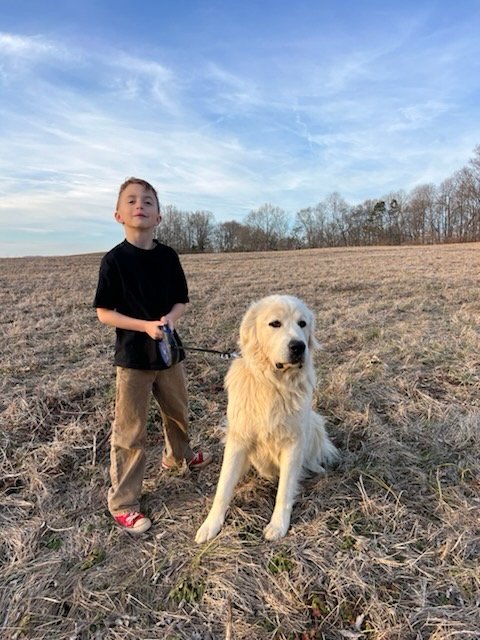
Exceptionally. Pyrenees are famously gentle with children and are known for being patient and protective of the smallest members of their family. They’re one of the best giant breeds for families with kids. That said, as with any large dog, interactions with very young children should always be supervised.
-
The average lifespan is 10–12 years, which is good for a giant breed. Proper nutrition, maintaining a healthy weight, regular vet care, and giving them a purpose all contribute to a longer, healthier life.
-
It’s instinct—bred into them over thousands of years. Pyrenees don’t need to be trained to guard; they’re born knowing how. They bond with their flock, patrol their territory, bark to deter predators, and will physically confront threats when necessary. Their size, white coat (which helps livestock accept them), deep bark, and nocturnal vigilance make them one of the most effective guardian breeds in the world.
-
Sheep, goats, poultry, cattle, horses, alpacas, and more. At Fish Trap Farm, Bear and Sybil guard our chickens, geese, and the broader property. They’re remarkably gentle with small animals and poultry once bonded.
-
Barking—they bark at night because that’s when predators are active. It’s how they do their job, but it can be an issue if you have close neighbors. They’re also roamers by nature—they want to expand their patrol territory, so secure fencing is essential. And they’re independent, which means they don’t take orders the way a herding dog does. You’re their partner, not their boss.
-
On a farm or ranch with acreage, a flock to guard, secure perimeter fencing, and the freedom to patrol and do their job. They thrive with purpose. A working Pyrenees with livestock to protect and land to roam is a deeply content dog.
-
Absolutely—but with caveats. They can be wonderful family companions if you understand what you’re getting into. They need space (a large, securely fenced yard at minimum), they will bark (especially at night), they shed heavily, and they’re independent. If you’re looking for an obedient, eager-to-please dog that stays by your side, this is not the breed. If you’re looking for a calm, loyal, majestic companion who loves your family and keeps a watchful eye on your home, a Pyr might be perfect.
-
Barking is the number one issue—they will bark at perceived threats, and they perceive a lot of threats (squirrels, the mail carrier, a leaf blowing wrong). Shedding is significant, especially during coat blows in spring and fall. They’re escape artists who can scale or dig under fences that aren’t built for them. And their independence means training requires patience—they understand what you’re asking, they just don’t always agree it’s important.
-
In a home with a large, securely fenced yard (5+ foot fence, preferably 6 feet), a family they adore, and something to watch over—even if that’s just the kids and the backyard. They do well in suburban homes with adequate space but are not suited to apartments, homes without fencing, or hot climates without access to shade and air conditioning. They’re mountain dogs—they love cool weather and will happily sleep in the snow.
-
Generally, yes. Pyrenees tend to get along well with other dogs, especially if raised together. They’re typically gentle with cats and small animals. Their guardian instinct means they’re more likely to protect other pets than to harm them. Same-sex aggression can occasionally be an issue with intact dogs, but well-socialized Pyrenees are usually easygoing.
-
Less than you’d expect for their size. They’re not high-energy dogs—they’re bred to conserve energy for when it’s needed. A couple of moderate walks a day and access to a yard where they can patrol is usually sufficient. They’re not jogging partners or fetch-obsessed retrievers. They’d rather keep watch from a good vantage point.
-
Yes. A lot. They have a thick double coat that sheds year-round with major blowouts twice a year. Regular brushing helps, but you will find white fur on everything you own. If this is a dealbreaker, this is not your breed.
-
They’re not hard to train—they’re hard to convince. A Pyrenees understands “sit” perfectly well. Whether they choose to sit is another matter entirely. Positive reinforcement, consistency, and a sense of humor go a long way. They respond poorly to harsh corrections. Think of them less as a dog to be trained and more as a colleague to be negotiated with.