KuneKune FAQ
The KuneKune is one of the friendliest and most manageable heritage pig breeds in the world. Whether you're considering them as a grazing addition to your land, a source of exceptional pasture-raised pork, or simply the most charming animal on the place, here's what you need to know.
-
The KuneKune is a small heritage breed from New Zealand, where its Māori name means "fat and round." Nearly extinct by the 1970s, the breed was brought back by a handful of dedicated breeders and has since become a favorite of small farms and homesteads. They're grazing pigs at heart—gentle, hardy, and built for life on pasture.
-
Much smaller than a commercial hog. Mature sows generally run 100–175 pounds and boars 175–250, standing only about two feet at the shoulder. For comparison, a standard farm pig can top 600 pounds. Their manageable size is a big part of what makes them so easy to keep.
-
Famously docile. KuneKune are calm, friendly, and genuinely people-oriented—they'll wander over for a belly rub and flop down at your feet. There's no aggression bred into them, which makes them safe and pleasant to handle, even for kids and first-time pig owners.
-
Yes—they're one of the best pig breeds for families. Their gentle, unhurried nature makes them easy and safe for children to be around. As with any livestock, interactions should be supervised, but KuneKune are about as kid-friendly as a pig gets.
-
A long time for a pig—often 15 to 20 years with good care. They're a hardy, healthy breed without the genetic problems bred into faster-growing commercial hogs.
-
They're a true grazing pig. Their short, upturned snout means they're built to graze grass rather than plow up the ground, so they fit beautifully into a rotational, low-impact pasture system. They're easy to contain, easy to handle, and easy to love—and, as you'll read below, they produce some of the finest pork you can raise.
-
Primarily grass. On good pasture, KuneKune can get much of their diet straight from grazing, supplemented with a bit of feed and seasonal produce. That grass-fed lifestyle is exactly what gives their meat its character.
-
Far less than most pigs. Because they graze rather than root aggressively, they leave the ground largely intact, and they're notably easy to contain—a modest fence or a single electric strand is usually enough. They're not the escape artists or earth-movers that other breeds can be.
-
This is where KuneKune shine. Their pasture-raised, grass-grazing life produces richly marbled, deep-red meat—closer in color and flavor to beef than to pale supermarket pork. The marbling makes it exceptionally tender and full-flavored, and the high-quality fat is prized by chefs and charcuterie makers for curing, rendering, and dishes like lardo and guanciale. It's gourmet pork in every sense.
-
Yes. Pigs can't sweat, so KuneKune need shade and a wallow (a muddy spot to cool off) during hot weather, plus fresh water at all times. Pale-skinned individuals can sunburn. Give them shade, water, and a place to wallow and they're content year-round.
-
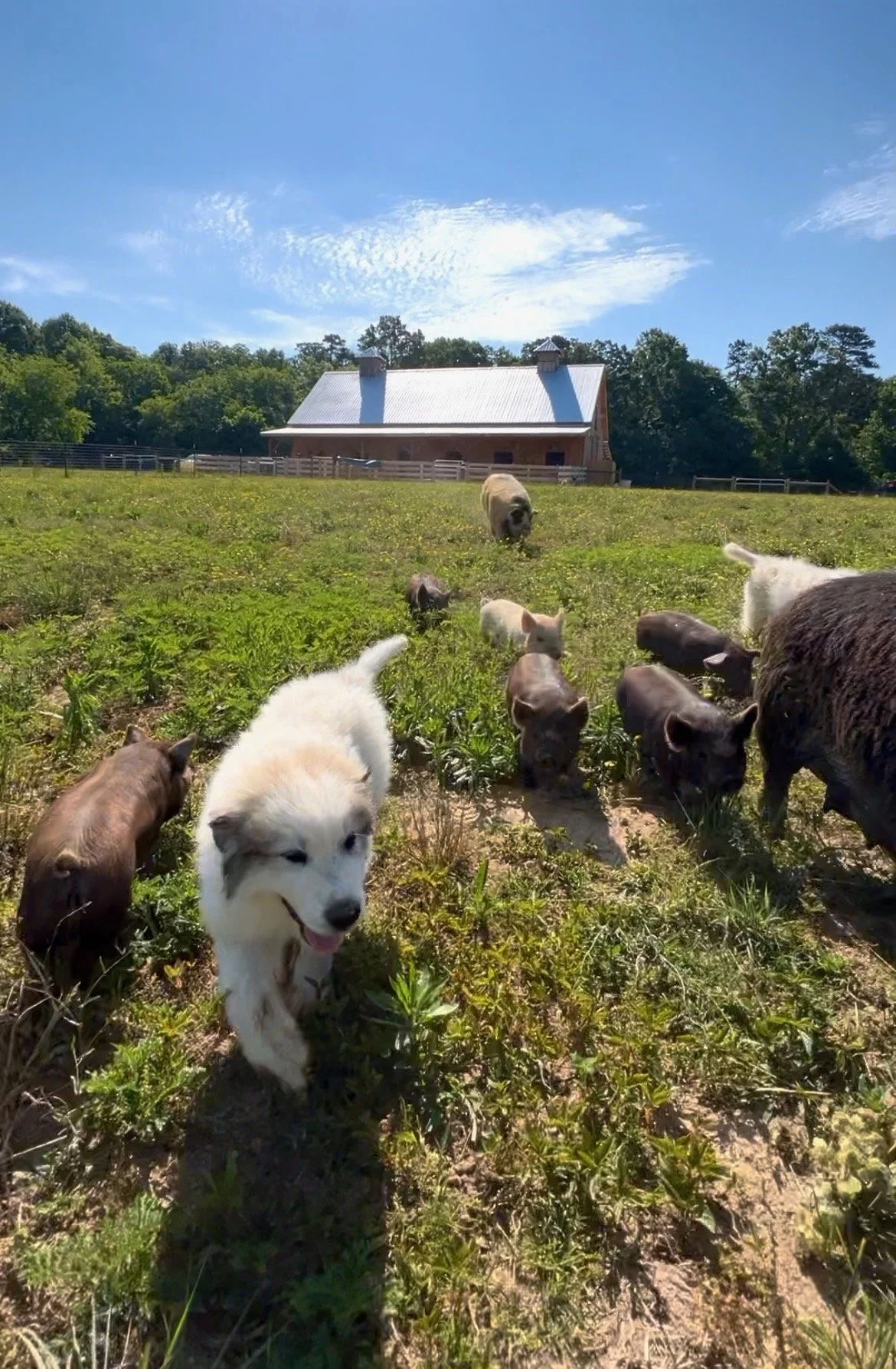
Generally very well. Their easygoing nature means they coexist peacefully with sheep, poultry, and other livestock, and they're not inclined to bother smaller animals. At Fish Trap Farm, ours share pasture alongside the sheep and our guardian dogs.
-
Absolutely—they're one of the few pigs genuinely suited to it. They're affectionate, trainable, and bond closely with their people. Just remember they're still livestock: they need outdoor space, proper fencing, shade and water, and room to graze. A KuneKune is not an indoor or apartment animal, but on a bit of land they make a wonderful, characterful companion.
-
Less than you'd think, but they do need real outdoor room to graze and roam. A modest, securely fenced paddock with shade, water, and a shelter suits them well. They're a great fit for small farms, homesteads, and acreage—not for yards without grass or fencing.
-
Not at all—they're one of the lowest-maintenance pigs you can keep. They're hardy, healthy, easy to feed, easy to contain, and calm to handle. Basic needs are simple: pasture, fresh water, shade and a wallow in summer, shelter from the elements, and routine care. For anyone new to pigs, KuneKune are about the friendliest introduction there is.
-
Surprisingly easy. KuneKune are smart and food-motivated, and their gentle disposition makes them responsive to positive reinforcement. Many learn their names, walk on a harness, and pick up simple commands. Patience and a few treats go a long way.